Before moving to America, I knew the schools would be different.
I just didn’t realize how many small differences there would be until our children were actually enrolled and we were trying to understand how everything worked.
Some things have been easier than expected. Others have taken a lot more adjustment.
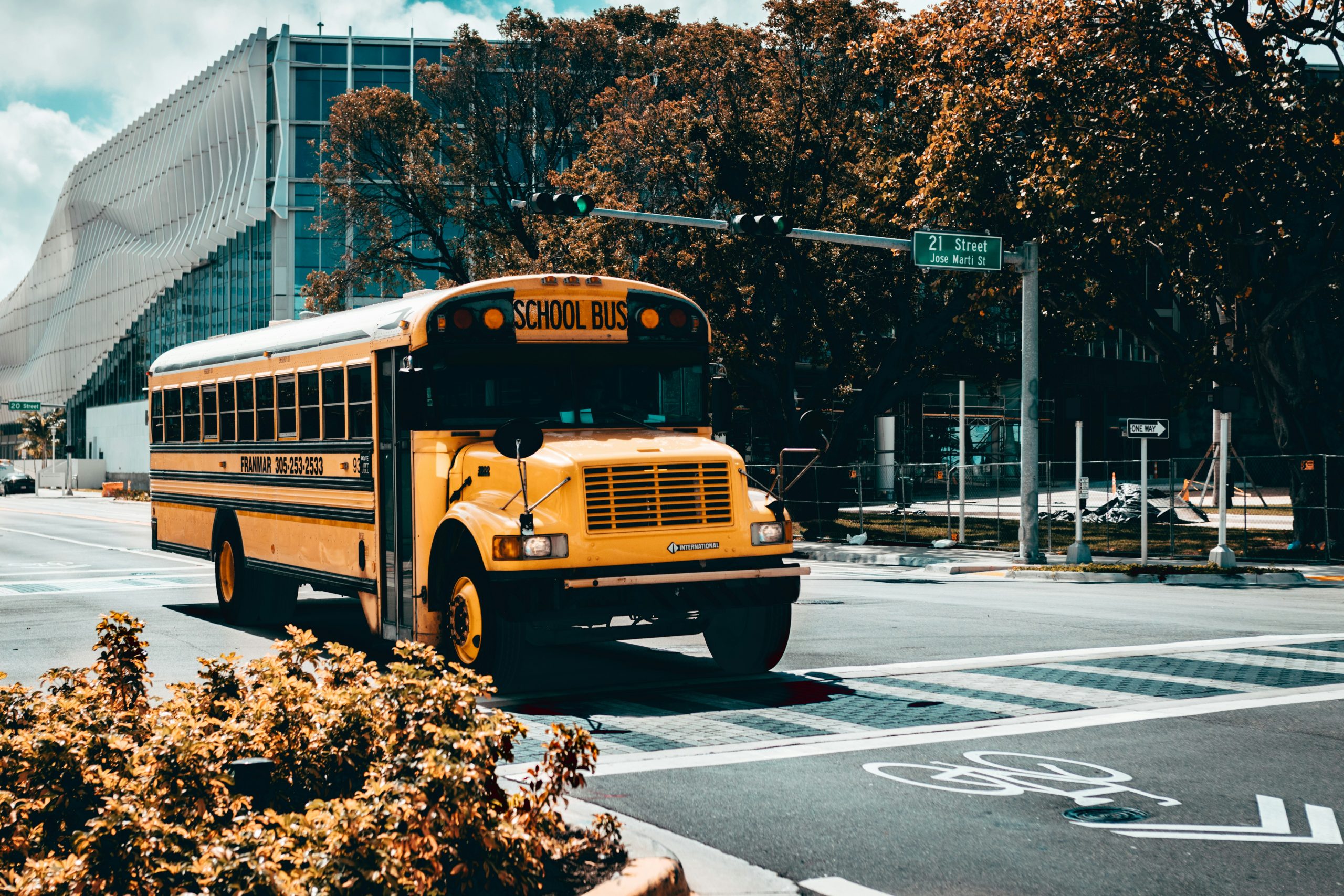
The yellow school buses are actually real
This sounds ridiculous, but there are parts of American life that still feel like something from television until you see them in your own neighborhood.
The yellow buses were one of those things.
For our girls, there were plenty of American-school details that felt exciting because they’d seen them in movies. For us as parents, there was a lot more figuring out behind the scenes.
No school uniform
Coming from South African schools where uniforms are normal, seeing children arrive in their everyday clothes immediately felt different.
It sounds like a small thing, but uniforms remove an entire daily decision. Suddenly clothing, trends and personal style are part of the school morning in a way they weren’t before.
Middle school schedules took some learning
Instead of staying with one class in one room for most of the day, students move between subjects and teachers according to their schedules.
There are passing periods, lockers, different expectations in different classrooms and a level of independence that took some getting used to.
As a parent who didn’t grow up in the system, I have also had to learn who to contact for what. Teachers, office staff and guidance counselors all play different roles.
The guidance counselor was new to me
The idea of having a dedicated counselor involved in academic and social support is much more visible here than what I remember from school in South Africa.
I’ve learned that when something is affecting school—academics, friendships, adjustment or schedules—the counselor can be an important part of figuring out what is actually going on.
The cafeteria is another very American experience
Again, we had seen American school cafeterias on television forever.
Then suddenly our children were choosing lunches in one.
The food, the lunch accounts and the whole structure around school meals were different from what we knew.
The school day affects the whole family schedule
This has probably been one of the biggest practical adjustments.
Different schools can have different start and finish times, and once you add transport, extracurricular activities and childcare, the children’s schedules affect almost everything else in the household.
It was one of the reasons we eventually had to rethink how our own work schedules fitted around family life.
English wasn’t the problem we expected
Afrikaans is our home language, so naturally English support was something the district evaluated.
But our youngest had already been in an English school in South Africa and grew up bilingual. When she was evaluated here, the district confirmed she didn’t qualify for additional English assistance because she was already fluent.
It was one of those moments where something from years earlier suddenly made sense in this completely different chapter of our life.
We’re still learning the system
I don’t pretend to understand every part of American schooling yet.
What I do know is that our children’s school careers will continue here, so our focus is on understanding this system rather than constantly comparing every difficult moment to what school used to look like.
There are things I miss about South African schools and things I genuinely appreciate here.
Mostly, we’re doing what we’ve done with everything else since moving: asking questions, learning as we go and slowly reaching the point where something that once felt completely foreign starts feeling normal.